
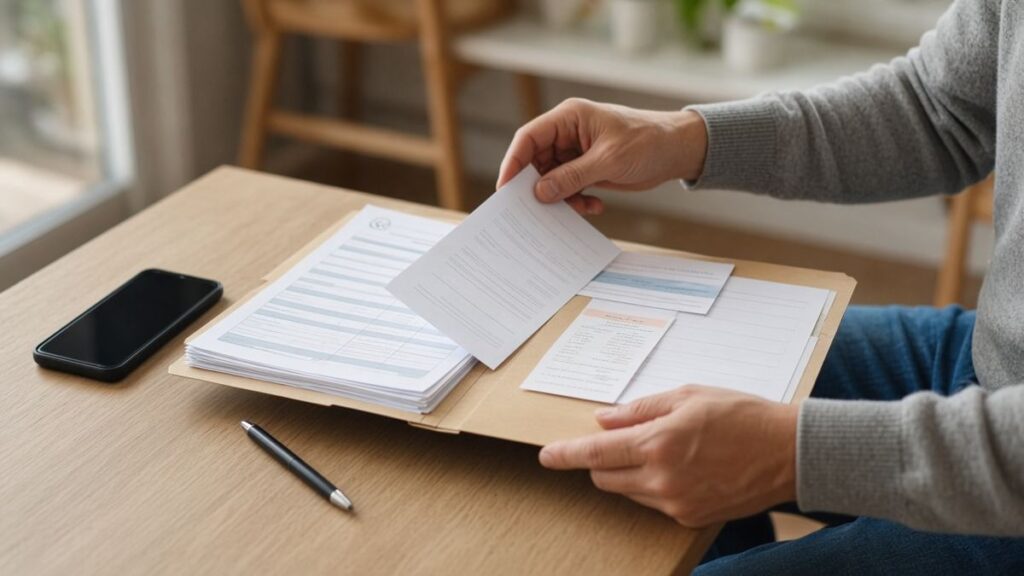
A trip to the emergency room after a car accident is stressful enough. Once you are home, the paperwork starts: discharge instructions, prescriptions, bills, letters from insurance companies, and sometimes a notice that the hospital is claiming part of any settlement. This guide walks through the practical next steps for Riverside drivers, passengers, pedestrians and riders after an ER visit, and explains how California law treats medical records, bills and hospital liens.
Our Riverside office at 4121 Brockton Ave is in the medical district near Riverside Community Hospital, so we often hear the same questions from neighbors after a crash. Here are the answers we give most often.
Step 1: Follow Your Discharge Instructions and Get Follow-Up Care
Your health comes first. ER doctors treat what is urgent, but many accident injuries, such as concussions, whiplash, back injuries and soft tissue damage, show up or worsen in the days that follow. Follow your discharge instructions, fill your prescriptions, and schedule any follow-up visits the ER recommended, whether with your primary care doctor, an orthopedist, a neurologist or physical therapy.
Gaps in treatment can also affect an injury claim. Insurance adjusters often argue that if you waited weeks to see a doctor, your injuries were not serious or were caused by something else. Going to your appointments and telling your providers about every symptom creates an accurate record of how the crash affected you.
Step 2: Request Your ER Medical Records
You have a right to see and get copies of your own medical records. Under California Health and Safety Code section 123110, a patient may inspect their records during business hours within five working days after a written request, and may receive copies within 15 days after the request. The federal HIPAA Privacy Rule also gives patients a right of access to their health information, including electronic copies.
When you request records from an emergency visit, ask for the complete chart, not just the discharge summary. That usually includes:
- Triage and nursing notes
- Physician and physician assistant notes
- Imaging reports such as X-rays, CT scans and MRIs, and the images themselves if you want them
- Lab results
- Medication records and prescriptions
- Ambulance or paramedic records, which are usually requested separately from the ambulance provider
Most hospitals have a health information management (medical records) department and a written request form. Providers may charge reasonable copying costs, and there are limits on what they can charge. Keep a copy of every request you send and note the date.
Step 3: Ask for Itemized Bills, Not Just a Statement
The first bill you receive after an ER visit is often a summary with one large total. Ask the hospital billing office, the ER physician group, the radiology group and the ambulance company for itemized bills. An ER visit often produces several separate bills from different providers, and an itemized bill lists each charge, code and date of service.
Itemized bills help you spot duplicate charges or services you did not receive, and they show the amounts actually billed, paid by insurance and still owed. That information matters when calculating medical damages in a California injury claim.
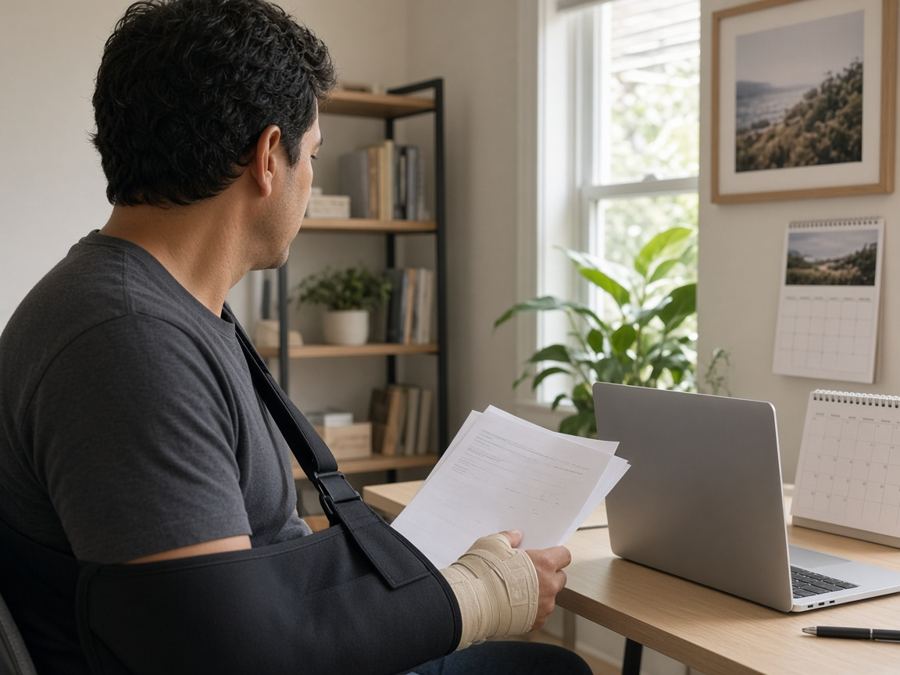
Step 4: Keep Every Receipt and Start an Accident File
A simple folder or phone album can make a big difference later. Keep:
- Pharmacy receipts and over-the-counter purchases such as braces, ice packs and pain relievers
- Mileage and parking costs for medical appointments
- Pay stubs or a note from your employer showing missed work
- Letters and explanation of benefits (EOB) forms from your health insurer
- The police or CHP report number, photos of the vehicles and scene, and the other driver’s insurance information
- A short journal of your pain, sleep, limits on daily activities and missed events
Step 5: Use Med-Pay and Health Insurance
Many people assume they should wait for the at-fault driver’s insurance to pay their medical bills. In reality, that insurer usually pays nothing until the claim settles, which can take months. In the meantime, you can usually use your own coverage:
- Medical payments coverage (Med-Pay): Optional coverage on many California auto policies that pays accident-related medical bills up to a set limit, regardless of fault. Check your declarations page.
- Health insurance, Medi-Cal or Medicare: These can cover ER and follow-up care. Your plan may later seek reimbursement from a settlement, so tell your insurer the bills are accident related when asked.
- Uninsured/underinsured motorist coverage: If the other driver has no insurance or too little, your own UM/UIM coverage may help.
Using your coverage keeps bills from going to collections and helps you get the care you need now.
Step 6: Understand Hospital Liens in California
After an accident, you may get a letter saying the hospital or ambulance provider has filed a lien. California’s Hospital Lien Act, Civil Code section 3045.1 and the sections that follow, lets a hospital that provides emergency and ongoing care to an injured person claim a lien on the patient’s recovery from the person responsible for the injury, for the reasonable and necessary charges.
A few key points:
- The hospital must give written notice of the lien to the person or insurer that may be responsible for paying, under Civil Code section 3045.3.
- Under Civil Code section 3045.4, the lien generally cannot exceed 50 percent of the money due to the injured person under a judgment or settlement, after any prior liens are paid.
- If the lien is ignored, the party who paid the settlement can be liable to the hospital, which is why insurers take liens seriously.
Liens are often negotiable, especially when insurance limits are low. Reviewing lien notices and bills carefully before a claim settles can help protect more of your recovery.
Step 7: Be Careful What You Say to Insurance Companies
The other driver’s insurer may call you soon after the crash and ask for a recorded statement or a broad medical authorization. You are not required to give the at-fault driver’s insurer a recorded statement, and a blanket authorization could give them access to years of unrelated medical history. You can decline politely and ask for questions in writing. Report the accident to your own insurer as your policy requires.
Step 8: Watch the Deadline
In California, most personal injury lawsuits must be filed within two years of the injury under Code of Civil Procedure section 335.1. If a city, county or other public entity may be responsible, for example because of a dangerous road condition or a crash with a government vehicle, a government claim usually must be filed within six months (Government Code § 911.2). Property damage claims have a different deadline. Special rules can apply to minors. Waiting too long can bar a claim entirely.
How Tafreshi Law Group Can Help in Riverside
At Tafreshi Law Group, you talk directly with your attorney. We can request your records and itemized bills, communicate with insurers, review lien notices, and track your deadlines while you focus on recovering. We help people hurt in car accidents in Riverside, as well as pedestrian accidents across the Inland Empire and Orange County. Learn more about our Murrieta and French Valley injury services, or see our Orange County car accident lawyer page. Our office staff speaks Spanish and Farsi.
Riverside County: call (951) 583-1900 or text (949) 776-8964 for a free consultation. There is no fee unless we recover compensation for you.
Frequently Asked Questions
How do I get my ER records after a car accident in California?
Send a written request to the hospital’s medical records department. Under Health and Safety Code section 123110, you can inspect records within five working days and get copies within 15 days of your request. Ask for the complete chart, including imaging and lab results.
Why should I ask for an itemized hospital bill?
An itemized bill lists every charge and date of service, so you can catch errors and duplicate charges and document your medical expenses accurately for an injury claim.
Should I use my health insurance for car accident treatment?
Usually yes. The at-fault driver’s insurer typically does not pay until a claim settles. Health insurance and Med-Pay can cover care now, though your health plan may seek reimbursement from a settlement.
What is a hospital lien in California?
Under Civil Code section 3045.1 and following, a hospital that provided emergency and ongoing care may claim a lien on your recovery from the at-fault party. The lien is generally capped at 50 percent of the money due to you after any prior liens are paid.
How long do I have to file a car accident injury claim in California?
Generally two years from the date of injury under Code of Civil Procedure section 335.1. Claims against a public entity usually require a government claim within six months.
How much does it cost to talk to Tafreshi Law Group?
The consultation is free, and there is no attorney fee unless we recover compensation for you. Call (951) 583-1900 in Riverside County or text (949) 776-8964.
This article is general information about California law, not legal advice. Reading it does not create an attorney-client relationship.